









MECON Project: Integrating UAVs, Multi-Access Edge Computing (MEC), and LEO Satellite Networks for Universal 5G/6G Connectivity, Critical Emergency Response, and Next-Generation Network Evolution.

Forging the Path to Global 5G and 6G Universal Coverage
Forging the Path to Global 5G and 6G Universal Coverage
MECON Project: Integrating UAVs, Multi-Access Edge Computing (MEC), and LEO Satellite Networks for Universal 5G/6G Connectivity, Critical Emergency Response, and Next-Generation Network Evolution.
MECON
The Imperative for Global Connectivity: Why MECON Matters?
This is the core challenge addressed by the MECON Project, formally titled Multi-Access Edge Computing (MEC) over NTN for Beyond 5G & 6G. MECON represents a monumental collaborative effort to move beyond the limitations of existing infrastructure. Its primary objective is to research, design, and develop the sophisticated technologies required for the seamless integration of Non-Terrestrial Networks (NTN), mainly Low Earth Orbit (LEO) satellite networks, into a unified, resilient network architecture that encompasses both current 5G systems and future 6G networks.
MECON
Towards a Truly Unified Global Network
The Technological Pillars: AI, Orchestration, and the Network Core
- Artificial Intelligence (AI) and Network Orchestration: The sheer scale of a Unified Network requires automation. MECON is leveraging Artificial Intelligence for advanced network orchestration and computational resource mobilisation. AI algorithms intelligently manage the vast, fluctuating resources of both satellite and terrestrial components, ensuring optimal routing, load balancing, and quality of service (QoS) across highly dynamic conditions.
- Interference Management: Integrating LEO satellites operating in a dense orbital layer creates complex challenges related to signal propagation and interference management. The MECON project is developing cutting-edge interference detection and cancellation techniques to maintain signal integrity and performance. Without these advanced solutions, the close proximity and high mobility of LEO constellations would severely degrade the user experience.
- Radio Resource Management (RRM) and Scheduling: To ensure fairness and efficiency, MECON is developing sophisticated radio resource management and enhanced scheduling techniques. This is vital for allocating bandwidth dynamically between terrestrial users, satellite users, and rapidly moving assets like drones, maximizing high-throughput services and supporting high-speed mobility across the network.
- O-RAN Integration: The project takes concrete steps toward O-RAN (Open Radio Access Network) architectures. By adopting open, decoupled interfaces, MECON promotes vendor diversity, accelerates innovation, and increases the flexibility and resilience of the network core, a vital step in moving toward future 6G networks.
MECON
The Critical Role of UAVs and Edge Computing
Emergency Users/First Responders
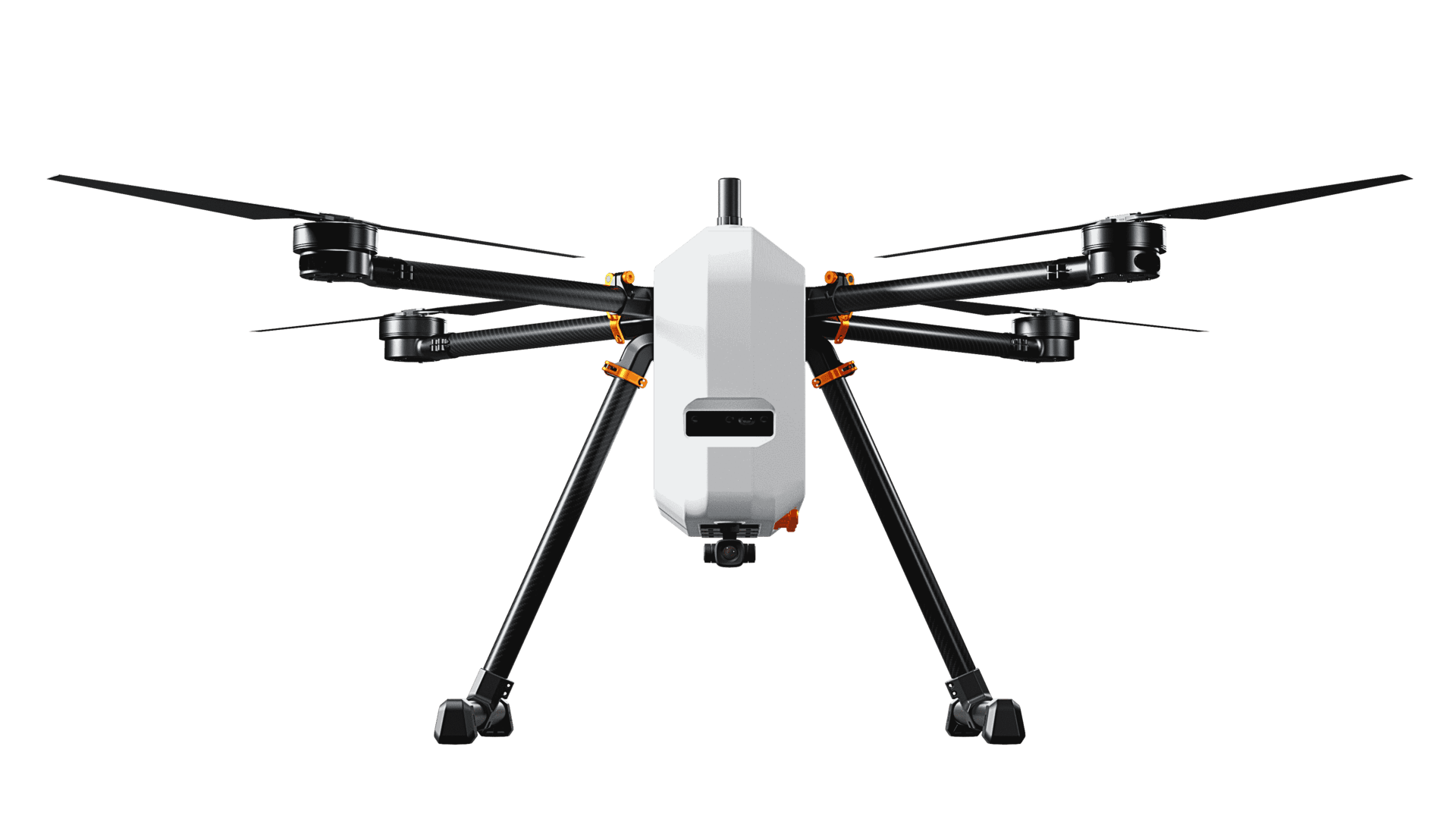
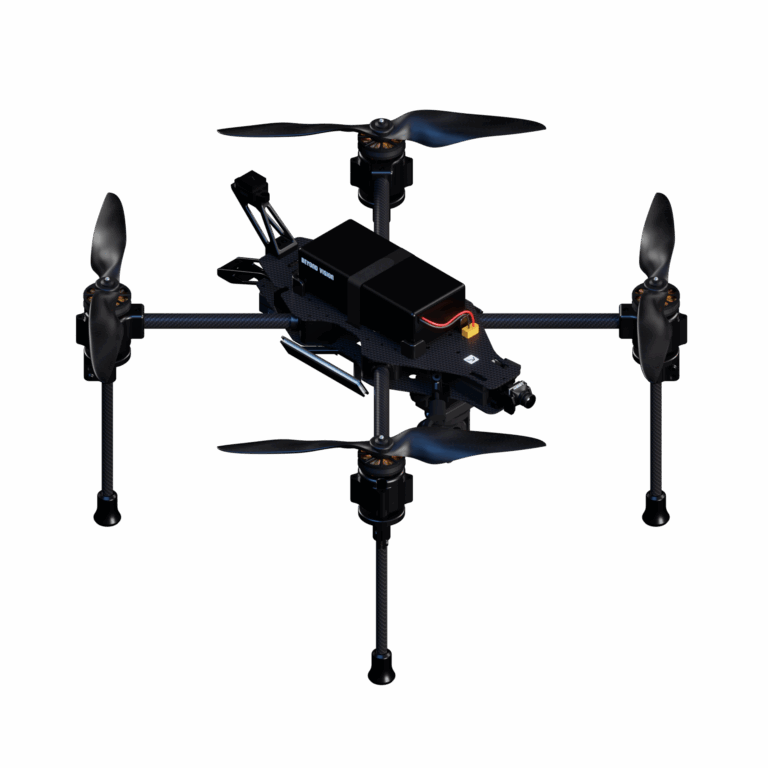
During a disaster, ground users, including first responders, may lack mobile coverage and may not have the necessary power or equipment to communicate directly with distant satellites. UAVs act as aerial mobile network nodes, linking ground users to the LEO satellite backbone, ensuring continuity of critical command and control functions.
IoT Devices in Remote Areas
MECON addresses the rising demand for global IoT services. Many IoT devices are located in remote areas or monitor infrastructure like pipelines or environmental conditions where terrestrial coverage is uneconomical. UAVs collect data from these low-power devices and efficiently relay it back through the high-capacity satellite links, enabling true global machine-to-machine communication.
Edge Computing Integration
By integrating edge computing (MEC) capabilities, MECON ensures that data processing and analytical functions are pushed closer to the user or device, whether on the ground or within the UAV itself. This dramatically reduces latency, improves real-time decision-making, and offloads unnecessary traffic from the central network core.
MECON
The Global Collaborative Effort and Future Outlook
The MECON Project, which has proudly received the Eureka CELTIC-NEXT Full Label (Project-ID: C2022/2-3), is supported by national funding agencies across five partner nations: Israel, Turkey, Poland, Belgium, and Portugal. The international consortium comprises 9 diverse partners, coordinated by Pente Networks, including innovators like the Instituto de Telecomunicações and, of course, Beyond Vision. Running from June 2024 to May 2027 with a total budget exceeding 10.6 M€, MECON is a testament to European commitment to leading the telecommunications revolution. By addressing these complex technological challenges today, MECON is actively shaping a future defined by ubiquitous, resilient, and intelligent global connectivity.

Effective products
Find out how our products are being used and how they are contributing to a variety of projects.